
June 25, 2026
Thinking about Jamaica Plain and wondering whether it would actually fit your day-to-day life? That is usually the real question. You are not just choosing a home. You are choosing your routine, your commute, your weekend habits, and the kind of neighborhood feel you want around you. If you are considering Boston’s JP, this guide will help you picture what living there is really like. Let’s dive in.
Jamaica Plain, often called JP, sits southwest of Downtown Boston and has long been known as a classic streetcar suburb. Boston planning sources describe it as an important center for residential life, arts, and commerce. In practical terms, that means you get a neighborhood with city access, but a more local, village-style feel.
JP does not feel like a single commercial core with one main downtown strip. Instead, daily life spreads across several walkable nodes, including Hyde Square, Jackson Square, the Centre/South area, and Egleston Square. That pattern gives the neighborhood a more lived-in rhythm, where errands, meals, and meetups often happen close to home.
One of the biggest draws of Jamaica Plain is how much green space is built into everyday living. JP sits within Boston’s Emerald Necklace, an 1,100-acre chain of nine parks connected by parkways and waterways. That park system gives the neighborhood an outdoorsy feel that is hard to replicate in many parts of the city.
Jamaica Pond is one of the neighborhood’s best-known landmarks. The city describes it as a 68-acre pond with a 1.5-mile shore path used for fishing, sailing, running, biking, and rowing. If you like having an easy place to walk, jog, or reset after work, this is a major part of the JP lifestyle.
For many residents, access to the pond is not just a nice bonus. It becomes part of the weekly routine. A quick morning walk, an evening loop, or a weekend outing can all happen without leaving the neighborhood.
The Arnold Arboretum gives JP another strong outdoor anchor. Boston planning sources describe the 265-acre Arboretum as a botanical oasis. It offers a quieter, more expansive landscape that feels different from a standard city park.
If you enjoy long walks, seasonal scenery, or simply having open space nearby, the Arboretum adds real depth to life in the neighborhood. It helps make Jamaica Plain feel calmer and more spacious than many people expect from Boston.
Forest Hills Cemetery is also identified by the city as a 275-acre greenspace, arboretum, and sculpture garden. Taken together, Jamaica Pond, the Arboretum, and the broader Emerald Necklace help define JP’s identity. This is one of the reasons the neighborhood often appeals to buyers who want urban access without giving up daily connection to nature.
Jamaica Plain’s commercial life is one of its biggest strengths. Boston notes that Centre Street has been a major retail street since the 18th century, and today the neighborhood still supports a range of local shops, restaurants, and service businesses. Instead of relying on one single destination, you can move between several neighborhood centers depending on what you need.
JP Centre/South Main Streets describes the Centre and South corridor as a vibrant, multicultural business district shaped by collaboration between residents and business owners. That local business energy is part of what gives the neighborhood character. It often feels active and useful rather than purely destination-based.
For a lot of people, living in JP means your routine can stay close to home. You may be able to grab coffee, pick up groceries, meet friends, and spend time outdoors all within the neighborhood. That combination of retail corridors, parks, and transit access is a major part of why Jamaica Plain feels so functional.
Boston planning sources also point to long-running local names like Samuel Adams Brewery and JP Licks. These kinds of businesses help reinforce a neighborhood identity that feels established rather than manufactured.
Transit access is another major reason people choose JP. Boston planning sources say Jamaica Plain is easily accessible by the Southwest Corridor, MBTA trains, and buses, with Forest Hills serving as the main transit hub. If your work or social life takes you around Boston, that connectivity matters.
The neighborhood also benefits from path connections through the Southwest Corridor and the Emerald Necklace. City transportation materials note that these routes connect JP to Downtown Boston and other neighborhoods, while recent bike-lane projects aim to better link those paths to daily destinations on Centre Street and South Street.
For many residents, a car-light lifestyle is realistic in Jamaica Plain. The combination of MBTA access, bus service, bike routes, and walkable business districts supports that kind of routine. Your exact experience will depend on where you live within the neighborhood and where you need to go most often.
That said, one of JP’s strengths is flexibility. You can often build a lifestyle around walking, biking, and transit while still having access to the wider city when you need it.
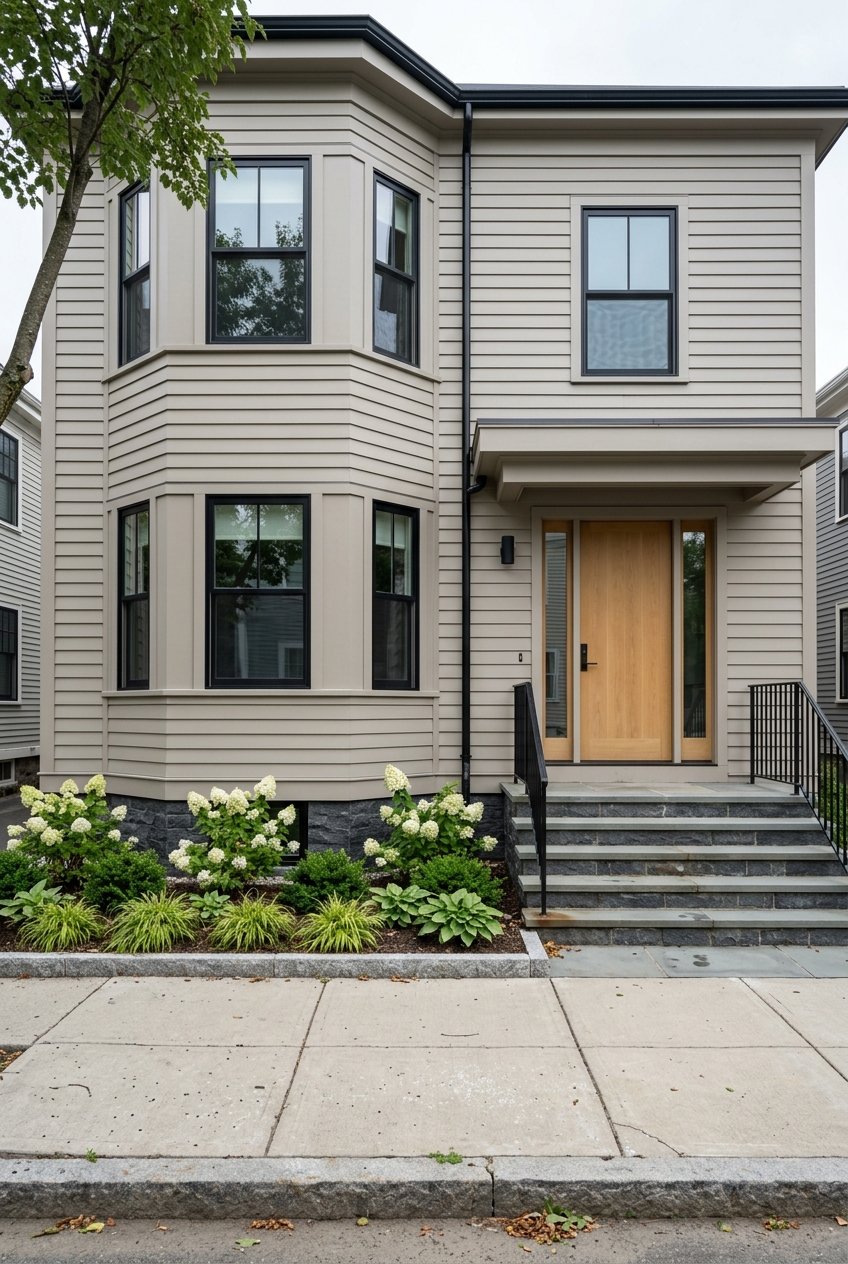
If you are picturing glass towers and large luxury buildings, Jamaica Plain will likely feel different. JP is mostly a low-rise, neighborhood-scale housing market. A recent Boston Planning Department memo describes blocks with a mix of triple-decker homes, two-family dwellings, and small multifamily buildings.
Boston planning sources also describe the residential streets as filled with iconic triple-decker houses. That housing stock gives the neighborhood a more grounded, residential character. For many buyers, that smaller-building feel is part of the appeal.
Condo buyers often look to Jamaica Plain for walkable neighborhood living paired with park access and a lower-rise setting. The city’s 2011 assessing snapshot found that condos made up 52% of the neighborhood’s 1-, 2-, 3-family-and-condo property stock. While that figure is older, it still helps show that condos are a meaningful part of the local housing mix.
In real terms, that means you may find condos in converted multifamily properties as well as in smaller residential buildings. If you want a home that feels connected to the neighborhood fabric rather than separated from it, JP often stands out.
Jamaica Plain is also relevant for buyers interested in two-family, three-family, or investment-oriented properties. The established stock of multifamily homes and converted condos creates options for owner-occupants and investors alike. That can make the neighborhood especially interesting if you want flexibility in how a property works for you over time.
More recent city-backed development near Centre Street and Forest Hills, including projects like 250 Centre Street and A.O. Flats, also points to ongoing mixed-income apartment growth with ground-floor retail near transit. That reinforces JP’s pattern of adding housing in ways that connect to neighborhood services and transportation.
So what does Jamaica Plain feel like on an average Tuesday, not just on a sunny Saturday? In broad terms, it feels neighborhood-focused, park-heavy, and active without being overly dense. You can usually picture a mix of residential side streets, local business corridors, and easy access to outdoor space.
That balance is what keeps JP on so many buyers’ short lists. It offers a version of Boston living that feels connected and practical. You are close to the city, but your daily life can still feel rooted in a distinct neighborhood routine.
JP can appeal to different kinds of buyers and renters, but a few patterns stand out.
Every move comes down to your priorities, budget, and lifestyle goals. The key is understanding how the neighborhood actually functions day to day, not just how it looks online.
If you are exploring Jamaica Plain and want help weighing condos, multifamily options, or your next move in Boston, Paul Reeves can help you make sense of the neighborhood and the market with practical, local guidance.
Stay informed with expert commentary, local market updates, and investment insights from our team of experienced professionals.
October 22, 2026
October 15, 2026
October 8, 2026
October 1, 2026
September 24, 2026
September 17, 2026

September 10, 2026

September 3, 2026

August 27, 2026
Partner with Paul and Cholada for a real estate experience defined by expertise, integrity, and a truly global perspective.
THE EQUINOX GROUP
ADDRESS 27 BOYLSTON ST NEWTON, MA 02467