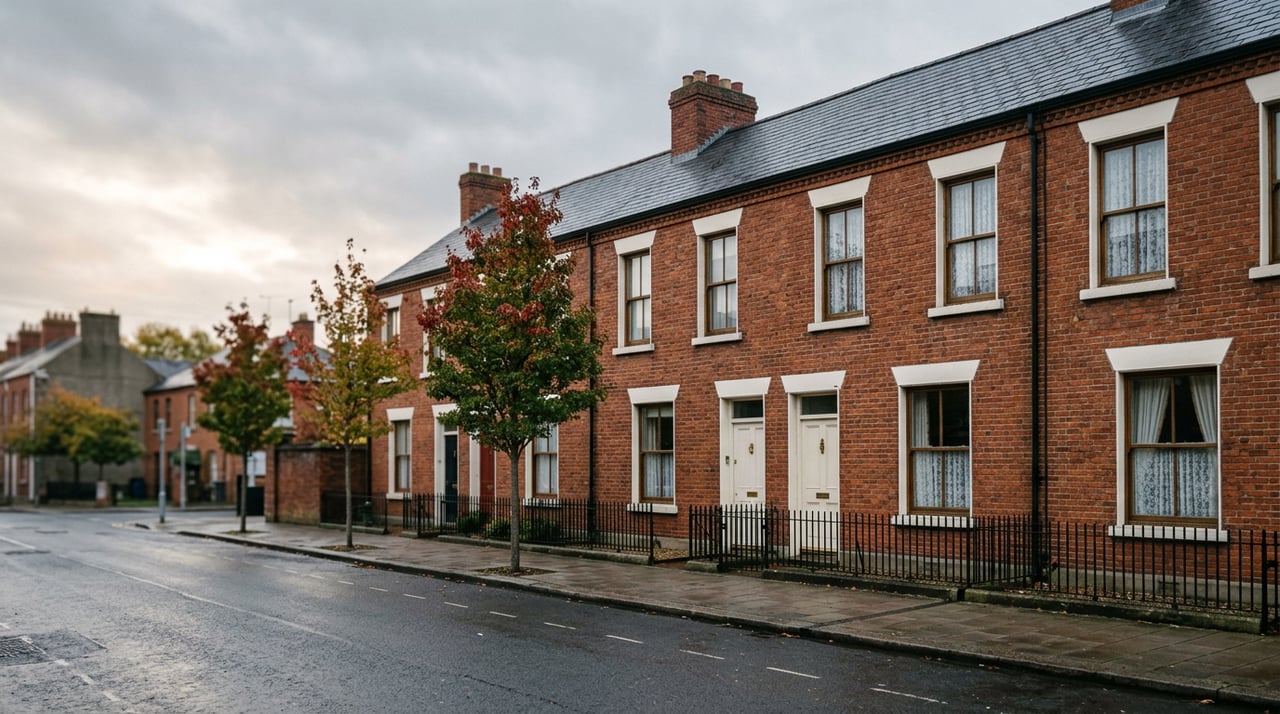
Thinking about selling your Newton home and wondering when to list? Timing can shape your price, your days on market, and the number of buyers walking through your door. In Greater Boston suburbs like Newton, spring and early summer bring more showings and stronger offers thanks to seasonal demand. In this guide, you will get a clear month-by-month plan, a simple 6–8 week prep timeline, and practical tips to launch with confidence. Let’s dive in.
Why timing matters in Newton
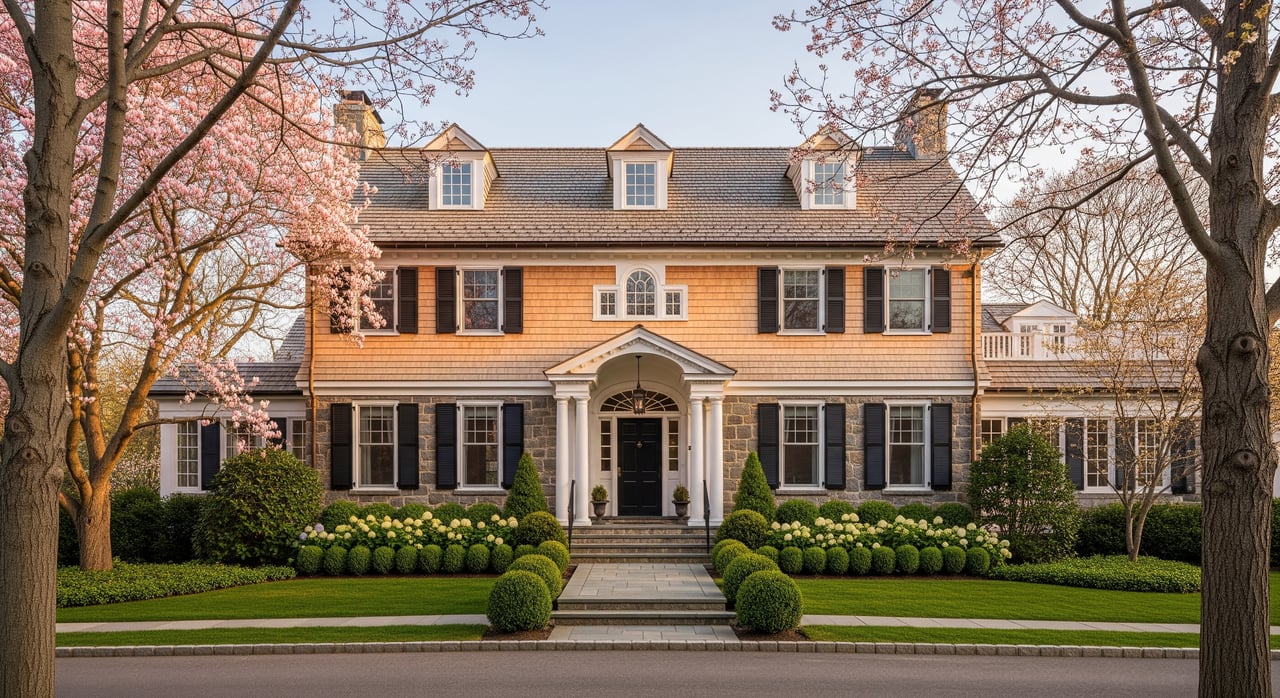
Spring is the prime selling season in Newton. Buyer activity and new listings typically rise from March through June, which means you have more qualified eyes on your home. Homes also show better as the weather improves and landscaping comes to life, creating stronger curb appeal and richer listing photos.
Local dynamics play a role too. Newton’s commuter access, including MBTA Green Line options and major routes, is a key draw for many buyers planning ahead for work and school schedules. Families often prefer to move over the summer, so listings in April through June tend to capture that window when buyers are motivated and ready.
The bottom line is simple: if you can choose your timing, aim for a spring or early summer launch and work backward six to eight weeks to prepare.
Month-by-month plan for Newton sellers
January–February
Use these quieter months to get a head start. Serious buyers are still out there, but overall traffic is lower, which makes this a great time to prepare behind the scenes.
- Prioritize planning, contractor scheduling, and pre-list inspections.
- Declutter and depersonalize so your rooms feel larger in photos and in person.
- Line up permits or documentation for past renovations if needed.
March
Buyer activity starts to climb, and more homes hit the market. Your prep should shift from planning to polishing.
- Finalize repairs, complete deep cleaning, and set your staging plan.
- Book professional photography for late March or early April.
- If your yard is greening up, consider exterior shots to capture early curb appeal.
April–June (peak window)
This is typically the best time to list in Newton for visibility and price potential. More buyers are searching, and open houses draw fuller attendance.
- Launch your listing, ideally with strong landscaping and bright, clear photos.
- Use detailed floor plans and virtual tours so buyers can understand your layout.
- Schedule open houses on weekends and target late afternoons when possible.
July–August
Activity softens from the spring peak but remains steady, especially for buyers who missed earlier opportunities or are relocating mid-summer.
- Expect a mix of buyer profiles and watch inventory levels to fine-tune pricing.
- Highlight outdoor living and shaded yard spaces to stand out in summer heat.
September–October
Early fall often brings a smaller bump in demand. You still have good daylight and decent curb appeal before the leaves turn.
- Market to buyers who want to close before winter holidays.
- Keep exterior maintenance high so the home feels crisp and move-in ready.
November–December
This is the slowest period for most suburban markets due to holidays and winter weather. You can still sell, but expectations and strategy should adjust.
- Focus on interior staging, warm lighting, and spotless presentation.
- Use twilight photography and ensure snow removal is handled for every showing.
Your 6–8 week prep timeline
The schedule below assumes a spring launch. Adjust forward or backward based on your target list date.
Weeks −8 to −6
- Meet your listing agent to set a pricing strategy, target date, and marketing plan.
- Order a Comparative Market Analysis and discuss which repairs or updates deliver the best return.
- Arrange a pre-list inspection to surface material issues before buyers do.
- Book contractors for roof, HVAC service, electrical, plumbing, and any structural work.
- Start decluttering and gather property documents, including permits and service records.
Weeks −6 to −4
- Complete major repairs and tackle high-ROI cosmetic updates like fresh neutral paint.
- Plan landscaping, including spring cleanup and planting for curb appeal.
- Hire a stager or prepare a staging plan to optimize room flow and focal points.
- Service heating and cooling systems and confirm gutters and chimneys are clean.
- Test and replace smoke and carbon monoxide detectors as needed.
Weeks −4 to −2
- Schedule professional house cleaning and carpet cleaning.
- Prepare a features sheet, floor plans, and notes on neighborhood amenities and transit access.
- Draft your disclosures and compile permits, utility averages, and service records.
- Book your photographer, including exterior and optional twilight shots.
Week −1
- Install final staging and complete touch-up paint and minor fixes.
- Make sure the yard, planters, and walkways are camera-ready and showing-ready.
- Set your showing plan and open house schedule and confirm lockbox details.
Listing week and first 2 weeks
- Publish to MLS with complete media, including floor plans and virtual tour if available.
- Host a broker open to expose the home to local agents before public showings.
- Run your first open house, then monitor feedback and adjust as needed.
- Be ready to respond quickly to offers and negotiate with current market data.
Pricing, media, and staging that fit Newton
A targeted approach helps your home stand out in a market where many buyers compare by neighborhood, commute, and renovation level.
- Exterior photos: Aim for mid-April through June when landscaping is lush. Early morning or late afternoon often produces the best light.
- Twilight photography: Consider for homes with attractive lighting or outdoor spaces to create a warm, inviting feel.
- Virtual tours and floor plans: These tools help buyers understand flow and square footage, which is essential for larger or expanded homes.
- Video and local context: Short video clips or b‑roll of nearby transit, parks, and commercial nodes can add valuable lifestyle context.
- Pricing strategy: Spring demand can support a market-competitive price that encourages strong interest. Use recent neighborhood comps and weigh any repair items uncovered during pre-list inspection. If you opt not to complete repairs, disclose clearly and price accordingly.
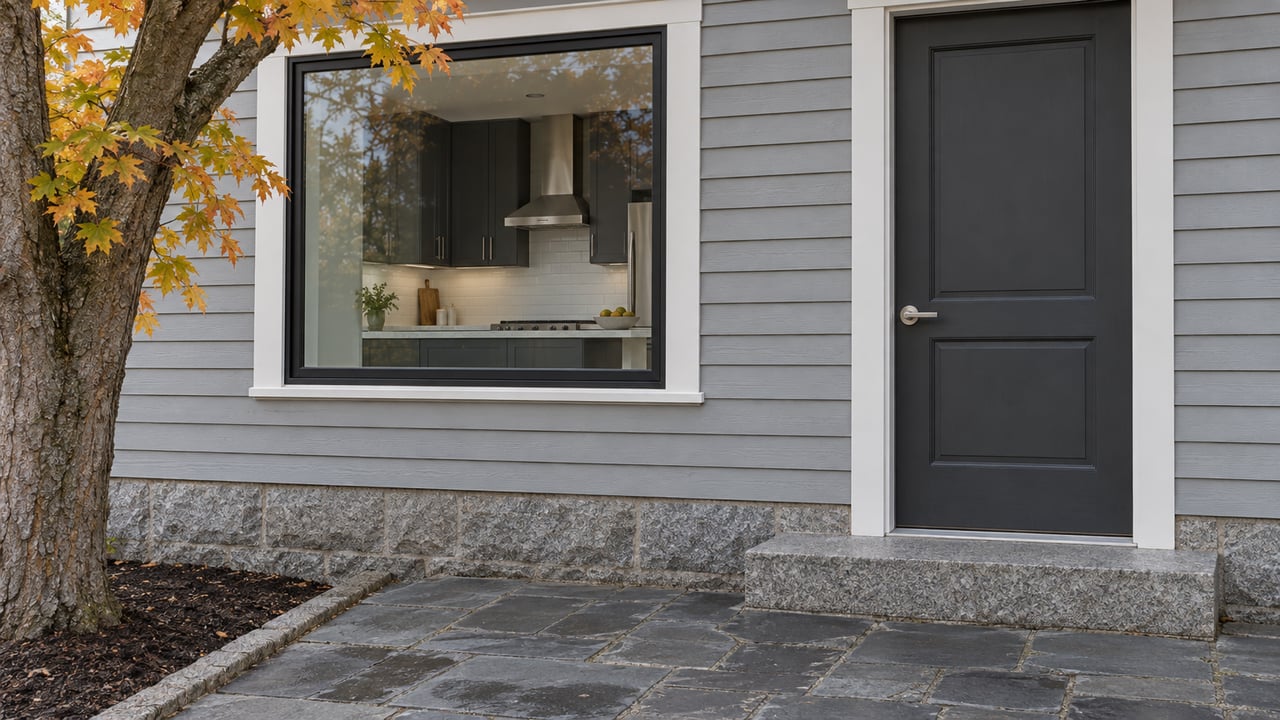
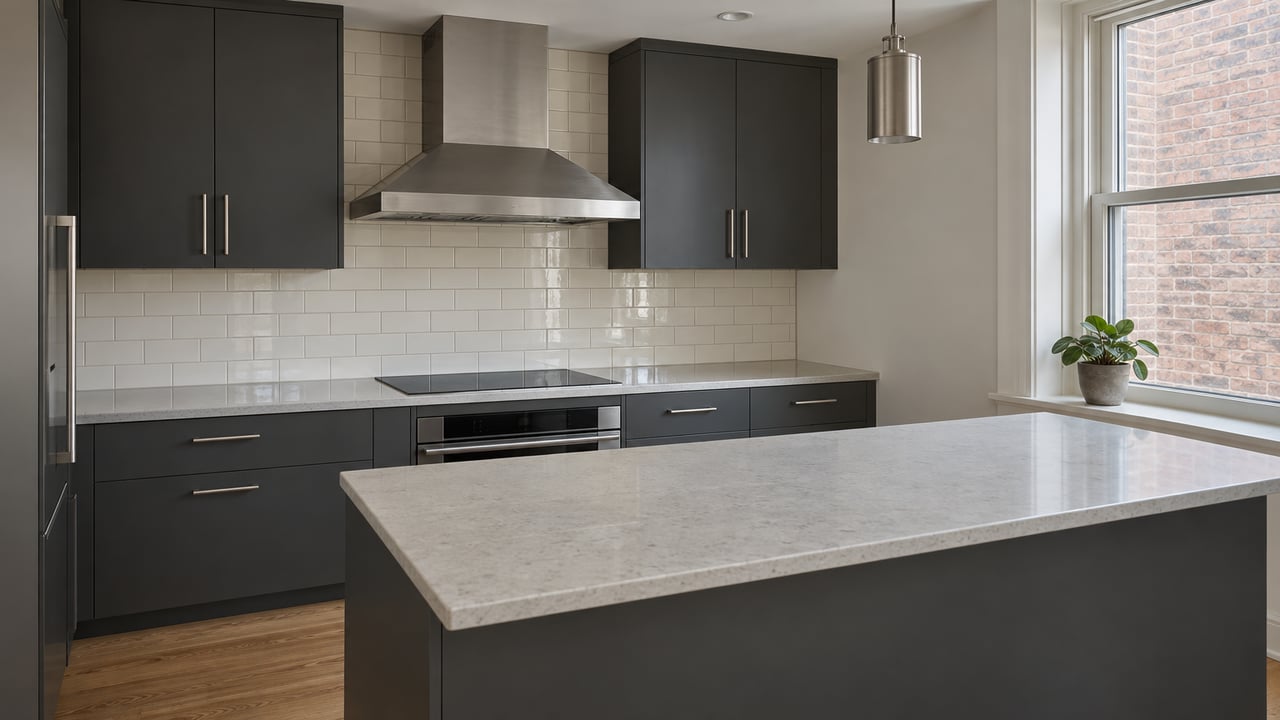
- Staging priorities: Focus on first impressions. Refresh the front door and entry, simplify surfaces, and highlight outdoor living areas. In kitchens and baths, small upgrades like hardware or lighting can go a long way.
Disclosures and inspections in Massachusetts
Selling a home in Massachusetts involves clear communication and accurate documentation. Work with your agent, and a real estate attorney if needed, to keep your sale smooth and compliant.
- Seller disclosures: There is no single statewide mandatory pre-sale disclosure form for all sellers. You should not conceal known material defects. Many brokers use a property condition statement to document what you know.
- Pre-list inspection: Identifies issues early and reduces the risk of renegotiation after a buyer’s inspection. Consider targeted checks for roof, foundation, HVAC, electrical, plumbing, and chimneys.
- Lead-based paint: If your home was built before 1978, federal rules require you to disclose known lead-based paint hazards and provide buyers with the appropriate lead information pamphlet.
- Radon: Radon testing and mitigation are common buyer requests in Massachusetts. A pre-list radon test can prevent surprises during negotiations.
- Permits and records: Collect permits and certificates for renovations, additions, and system upgrades. Buyers and lenders frequently ask for this documentation.
- Municipal items: Confirm property tax status, any municipal liens or assessments, and whether your home is on municipal sewer. If a property is on septic, Title V inspection and certification would apply.
- Smoke and CO detectors: Verify your smoke and carbon monoxide detectors meet current requirements. Replace or add units as needed before your fire department inspection.
Launch strategy for maximum turnout
When your listing goes live, the first two weeks are crucial. Your goal is to create strong early momentum and invite the widest pool of qualified buyers.
- Publish a complete, polished listing on day one, including floor plans and standout media.
- Schedule a broker open early in the week to build agent awareness.
- Host your first public open house on the weekend and consider a second session the following week.
- Avoid conflicts with major school breaks if you are targeting families.
- Track feedback daily and adjust price or presentation if traffic is below expectations.
Selling off-peak and still winning
If you need to list in late fall or winter, you can still succeed with the right preparation and presentation.
- Lean into interior staging, clean lines, and warm lighting.
- Invest in top-tier photography, including twilight shots.
- Keep walkways clear and safe for every showing.
- Be realistic about days on market and build flexibility into your pricing and negotiation plan.
Next steps
If you are aiming for an April to June launch, the best time to start is now. A short planning session can set your timeline, pinpoint the right price strategy, and line up staging, media, and contractors so you hit the market at full strength. Ready for a custom plan for your address? Schedule a consultation with Paul Reeves.
FAQs
When is the best month to list a home in Newton?
- For most sellers, April through June offers the strongest buyer traffic and the best chance of competitive offers.
How far in advance should I start prepping my Newton home?
- Begin six to eight weeks before your target list date so you can complete repairs, staging, and photography without rushing.
Do Massachusetts sellers have to fill out a standard disclosure form?
- There is no single statewide mandatory form, but you must not conceal known material defects, and most brokers use a written condition statement.
Should I get a pre-list inspection for a Newton home?
- Yes, it helps identify issues early, informs pricing, and can reduce renegotiation after the buyer’s inspection.
What are the rules for lead-based paint when selling in MA?
- If your home was built before 1978, you must disclose known lead hazards and provide buyers with the required federal lead information pamphlet.
What media helps a Newton listing stand out in spring?
- High-quality exterior photos, detailed floor plans, and a virtual tour, with optional twilight shots for homes with great outdoor lighting.