
December 4, 2025
Thinking about buying a triple-decker in Boston but not sure what that actually means? You’re not alone. These iconic three-story homes are part of the city’s DNA and a smart entry point for both first-time buyers and small investors. In this guide, you’ll learn what defines a triple-decker, where you’ll find them, how financing and regulations work, and what to inspect before you buy. Let’s dive in.
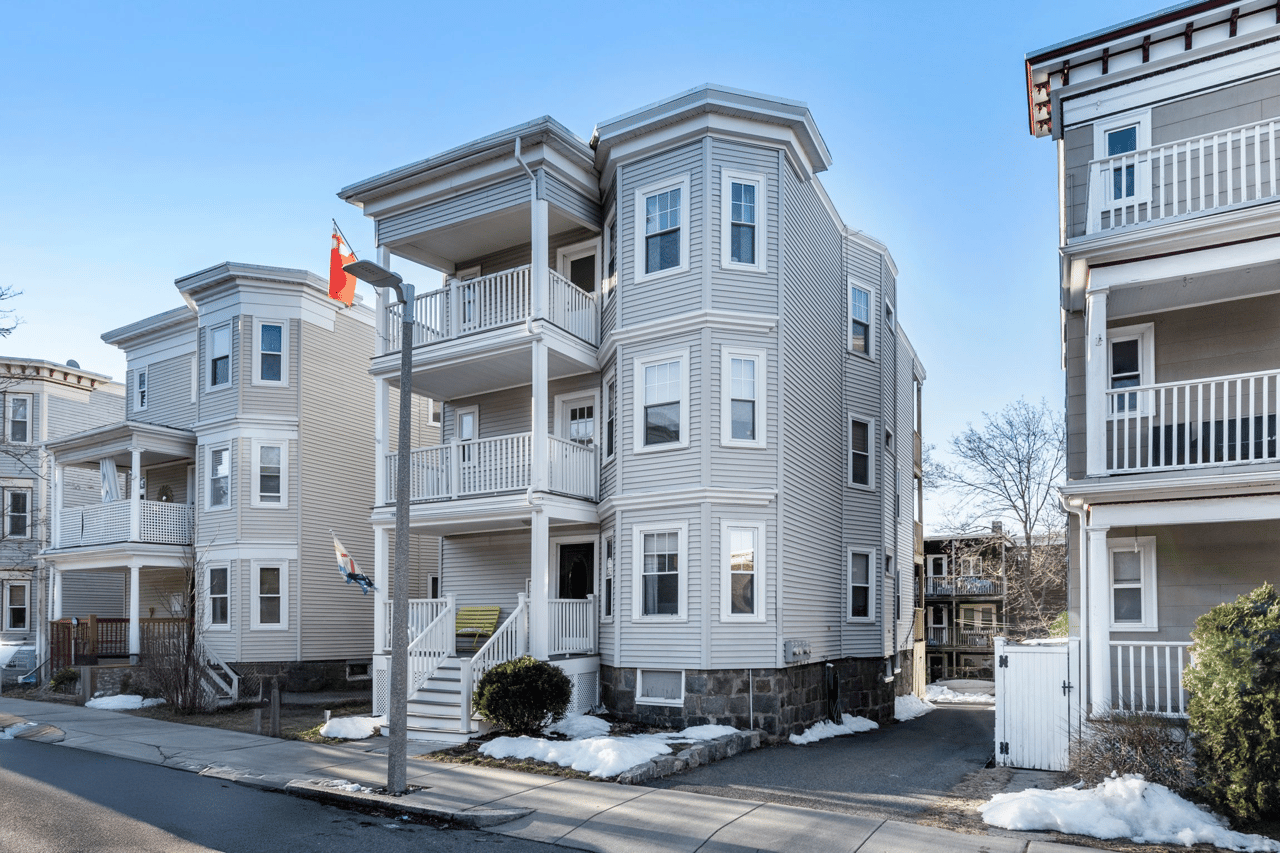
A triple-decker is a wood-frame, three-story house with one apartment per floor. Floor plans are usually stacked and similar, often with a living room, dining room, kitchen, and 2 to 3 bedrooms per unit. You’ll see flat or shallow-pitched roofs and signature stacked porches. Many sit on compact city lots across Boston and nearby New England cities.
These buildings were built mainly from the late 19th to early 20th century as practical, affordable housing for working families. The model still works today because it pairs efficient land use with rental income potential for owners.
Triple-deckers are common in many Boston neighborhoods. You’ll see them throughout Dorchester, Jamaica Plain, Roxbury, East Boston, Allston and Brighton, and parts of West Roxbury—as well as towns and cities like Newton, Brookline, Watertown, Waltham, Cambridge, Somerville, and all throughout the Greater Boston region. Locations vary from tree-lined side streets to transit-friendly corridors.
As you compare areas, focus on transit options, local amenities, and your day-to-day needs. Prices, rents, and renovation levels vary block by block, so align your search with a clear budget and plan.
Most triple-deckers follow a repeatable layout from floor to floor. Expect similar unit sizes with a living room, dining room, kitchen, and bedrooms off a central hall. Porches are often stacked and can be a highlight for outdoor space.
Behind the walls, many buildings still carry aging systems. You may find older plumbing like galvanized supply lines, legacy electrical panels, and past oil-to-gas conversions. Some buildings keep a single central boiler and hot water system, while others have separate systems per unit. Windows, insulation, and exterior cladding can range from original to fully updated.
Triple-deckers were built to maximize modest city lots and give owners rental income. That still holds true. If you live in one unit and rent the others, you can offset a meaningful portion of your monthly costs. Small investors also like the scale: 2 to 4 units are easier to finance with residential loans than larger apartment buildings.
You also get flexibility over time. You can renovate in phases, separate utilities to simplify billing, and choose whether to self-manage or hire help. The historic character, classic porches, and neighborhood locations add long-term appeal for many buyers.
Two common approaches work well with triple-deckers:
Choose a path that fits your tolerance for management, your time, and your financial goals. A clear plan makes underwriting, renovation decisions, and tenant strategy much easier.
When you plan to live in the building, 2 to 4 unit properties can qualify for standard residential loans. Conventional lenders underwrite multi-unit deals differently than single-family homes, and they often consider projected rent for the units you won’t occupy. Appraisals use comparable 2 to 4 family sales rather than single-family comps.
FHA financing can be an option for owner-occupants purchasing 2 to 4 units. Program rules change, so confirm down payment, income, and property standards with a knowledgeable lender. Expect to provide a rent roll and leases if the property is occupied. Insurance can also cost more than a single-family policy because you’ll need landlord coverage that addresses liability, building replacement, and potential loss of rental income.
Owning a triple-decker in Boston means staying compliant with city and state rules. Key items include:
Build time into your purchase for due diligence on registration history, permits, and any past code issues.
These buildings are sturdy, but age brings predictable maintenance. Focus your inspections on the systems and components that most affect safety and cost:
Budget for capital items like roof replacements, porch rebuilds, and boiler or water heater upgrades. Deferred maintenance can add up, so align your offer and contingency with realistic repair costs.
Before you tour or right after a promising first look, ask for these records:
These documents help you confirm income, expenses, and compliance. They also support underwriting, appraisal, and your offer strategy.
Bring a flashlight and plan to see basements, common areas, and mechanical spaces. On site, look for:
If red flags pop up, add specialists to your team. A home inspector experienced with older multi-family homes, a licensed electrician and plumber, a lead paint inspector, and an environmental consultant for oil tanks can save you from costly surprises.
Every property type has tradeoffs. Triple-deckers often balance income potential with hands-on management.
Pros
Cons
Resale demand is often strongest near transit, universities, hospitals, and major employers. Updated units with separate utilities and modern kitchens and baths usually attract more buyers and rent faster. On the sell side, clean permitting, clear rent rolls, and recent system upgrades help your property stand out.
Buyers on resale often include owner-occupants, small investors seeking turnkey income, and those interested in potential condo conversions if allowed by zoning and permits. The more you document and modernize over time, the easier your exit can be.
If you want a home with built-in income and you are comfortable managing tenants or hiring help, a triple-decker can be a smart move. Start with your financing plan, then evaluate neighborhoods and buildings with a sharp eye for systems and safety. The right team will help you balance cash flow, compliance, and long-term value.
When you are ready to explore Boston triple-deckers, our team can guide you from first tour to closing. We combine neighborhood expertise with a trusted network of lenders, attorneys, inspectors, and contractors to streamline each step. If you want a clear plan tailored to your goals, connect with Paul Reeves to schedule a consultation.
Stay informed with expert commentary, local market updates, and investment insights from our team of experienced professionals.
October 22, 2026
October 15, 2026
October 8, 2026
October 1, 2026
September 24, 2026
September 17, 2026

September 10, 2026

September 3, 2026

August 27, 2026
Partner with Paul and Cholada for a real estate experience defined by expertise, integrity, and a truly global perspective.

THE EQUINOX GROUP
ADDRESS 27 BOYLSTON ST NEWTON, MA 02467