
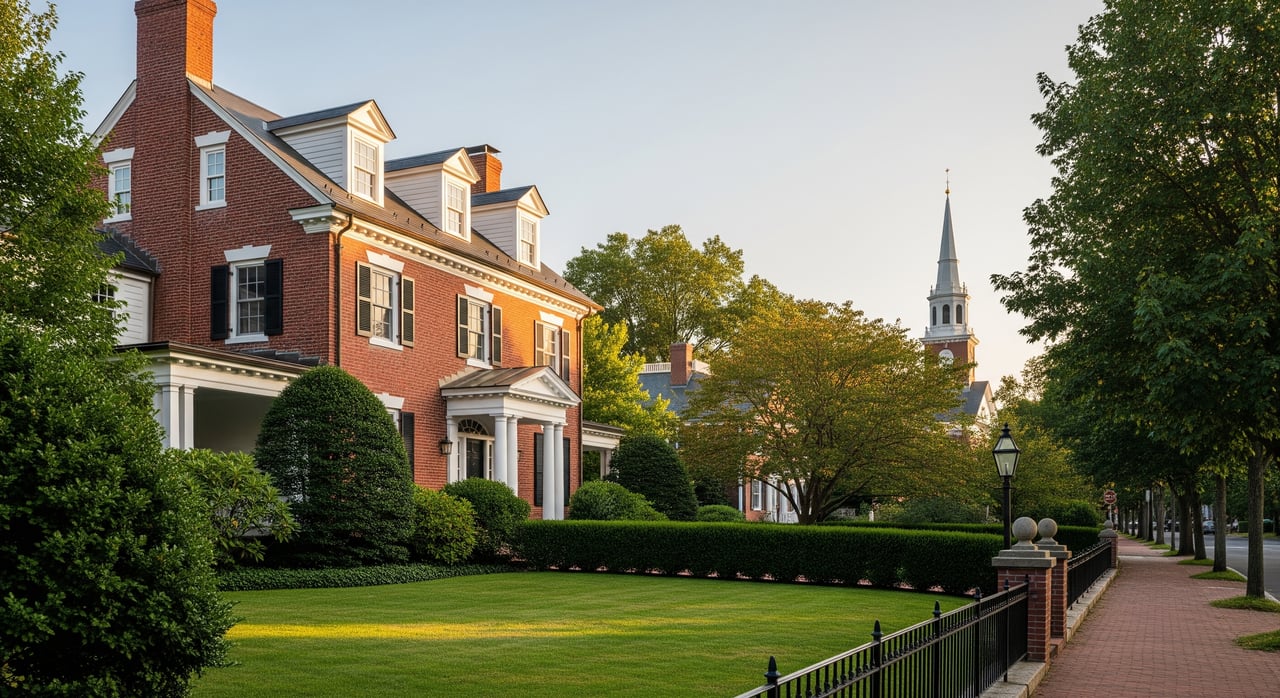
February 5, 2026
Trying to choose the right Newton village can feel like picking between 13 small towns that all share one city. You want great daily routines for your family, from school drop-offs to park time and commutes. This guide gives you a clear way to match your priorities with Newton’s villages, plus practical steps to test your shortlist. Let’s dive in.
Newton sits just west of Boston and is made up of 13 commonly referenced villages: Auburndale, Chestnut Hill, Newton Centre, Newton Corner, Newton Highlands, Newton Lower Falls, Newton Upper Falls, Newtonville, Nonantum, Oak Hill, Thompsonville, Waban, and West Newton. Each village has its own center, housing mix, and feel. You often shop, play, and commute within your village or a neighboring one.
Newton’s population was 88,923 in the 2020 Census, and the city is known for high homeownership and strong home values compared to state and national medians, according to the U.S. Census QuickFacts. Transit access, school assignments, and daily convenience vary by address. That is why a village-by-village approach is so helpful.
Before you compare villages, write your top three must-haves. That will make trade-offs clearer.
Tip: If two parents commute in different directions or you have kids at multiple schools, stack-rank priorities. For many families, school catchments and commute shape daily life more than any single home feature.
Newton Public Schools assign most students based on address. Elementary and middle school boundaries, plus high school assignment (Newton North or Newton South), drive day-to-day routines. Always verify a specific property’s assignment directly through the Newton Public Schools assignment and boundary pages. District enrollment policies can change, and some programs may have different assignment rules.
To compare schools, use multiple data points. The Massachusetts Department of Elementary and Secondary Education school profiles provide test trends and accountability data. Parent review sites can add context, but they use different methods and should be one input, not the whole story. If a particular program matters to you, ask about special education services, language supports, enrichment, athletics, and after-school offerings.
Practical school checks:
Families often value quick access to green space, sports fields, and libraries. Newton is rich with parks and conservation land, from Crystal Lake and the Chestnut Hill Reservoir area to the Charles River corridors. The Newton Conservators park and trail guides are a great starting point.
What to look for near a home:
Try a stroller test during school-run hours to check curbs, crossings, and traffic patterns.
Traffic and travel time look very different between quiet side streets and major corridors like Route 9, parts of Centre Street, Walnut Street, and Watertown Street. Newton also has access to I‑90/Mass Pike and I‑95/Route 128 nearby. Some villages experience short but intense peaks around school start and dismissal.
Transit options include the MBTA Green Line D branch in central Newton, select commuter rail stops, and express and local bus routes. Reliability can vary by line and time of day, so test your actual schedule. If you or your child has activities in Boston, measure those trips too.
Smart commute checks:
Newton’s housing stock ranges from early 20th-century colonials, Tudors, and Victorians to two- and three-family homes, condos, and newer infill construction. Architectural variety is part of the charm. Lot sizes, yard space, and housing types vary by village. In general, larger lots and higher-end single-family homes are more common in parts of Chestnut Hill and Newton Centre. More mixed stock, including condos and multi-family homes, is easier to find in Newtonville, West Newton, and some areas around Newton Corner.
Newton is one of the higher-priced suburbs around Boston. Proximity to transit, village centers, larger lots, and period architecture can command premiums. If you are budget-sensitive, think creatively about entry points such as condos or multi-family homes. Always review current comparable sales for the micro-area and property type you want and confirm renovation or expansion plans with City zoning and permitting rules before you buy.
Below are general starting points based on common family preferences. Think of these as themes to explore rather than absolutes. Always verify school assignments, commute options, and current market data for your specific address.
What to test: Walking time to transit from candidate homes, frequency of trains or buses at your commute hour, and parking options if you plan to drive to stations.
What to test: Sidewalks, crossings, after-school routes to parks or libraries, and the feel of the center on weekdays versus weekends.
What to test: Drive-time to schools and activities, winter driving routes, and any floodplain considerations near river-adjacent blocks.
What to test: Recent sales for comparable condos or two-family homes, HOA rules or condo fees, and renovation needs.
Follow this workflow to move from broad ideas to a focused shortlist.
Helpful resources as you work:
You deserve a plan that fits your family’s daily life and long-term goals. Our team pairs local, village-level insight with data-driven advice, from verifying school boundaries to measuring real commute times and pulling micro-area comps. If you want a high-touch, end-to-end experience for buying, selling, renting, or investing in Newton, schedule a consultation with Paul Reeves to get started.
Stay informed with expert commentary, local market updates, and investment insights from our team of experienced professionals.
May 7, 2026
April 23, 2026
April 16, 2026
April 2, 2026
March 24, 2026
March 5, 2026
February 19, 2026
February 5, 2026
January 15, 2026
Partner with Paul and Cholada for a real estate experience defined by expertise, integrity, and a truly global perspective.

THE EQUINOX GROUP
ADDRESS 27 BOYLSTON ST NEWTON, MA 02467