
April 16, 2026
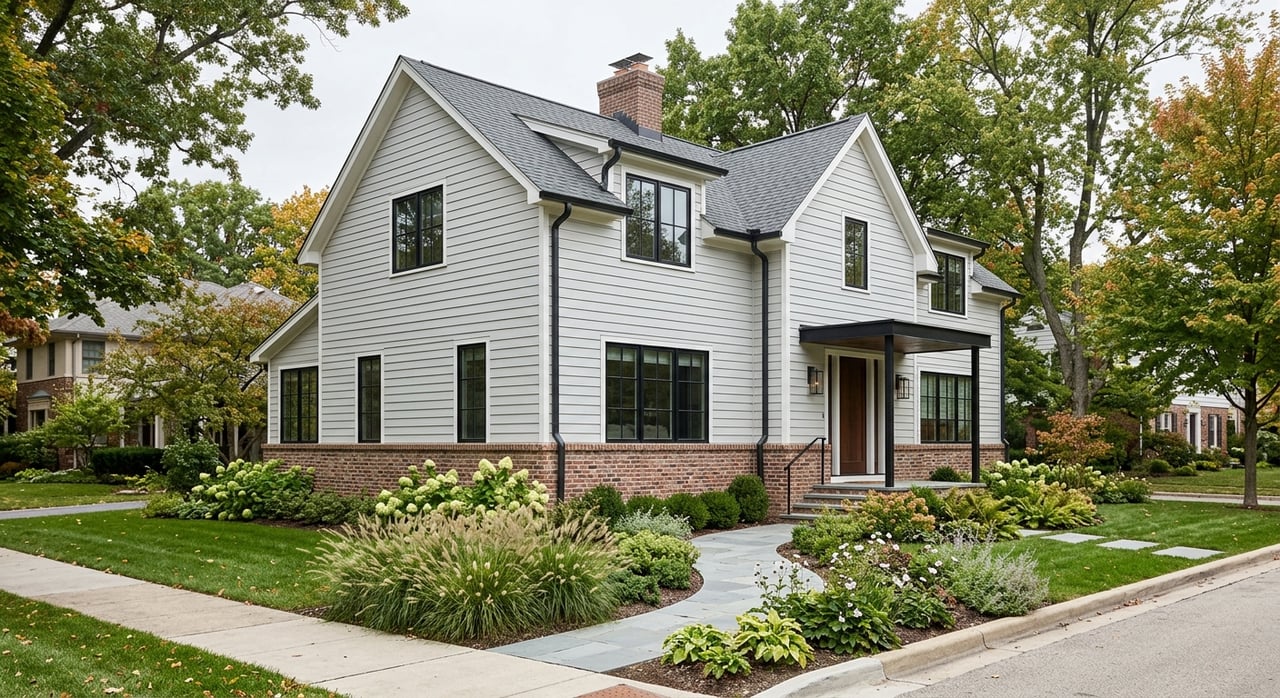
Choosing where to live in Newton is not as simple as picking a suburb and calling it a day. Newton is a city of villages, and each one offers a different mix of daily convenience, transit access, historic character, and neighborhood feel. If you are trying to figure out which part of Newton fits your lifestyle best, this guide will help you compare the villages in a practical, buyer-friendly way. Let’s dive in.
According to the City of Newton, Newton sits about seven miles west of downtown Boston and is organized around 13 distinct villages rather than one main downtown. The city describes itself as principally suburban-residential, with open space making up 19.6% of its land area and about 1,200 acres of parkland, playgrounds, school grounds, and burial grounds.
That layout shapes daily life in a big way. Some villages feel like compact local centers with shops and services close at hand, while others are more residential, more historic, or more oriented around major roads and parking. Newton’s village structure is part of what makes the city so appealing, especially if you want choices within one community.
A helpful shortcut is to use the city’s own commercial geography categories. On its economic development geography page, Newton groups village areas by how they function day to day.
That framework includes village centers, neighborhood centers, convenience centers, gateway centers, and retail/service clusters. For buyers, that makes it easier to think beyond a village name and focus on what your routine might actually look like.
If you want the strongest mix of walkability, errands, dining, and local services, Newton’s main village centers deserve your first look. These areas are generally the best fit if you picture yourself doing more on foot.
Newton Centre is the clearest example of a compact, transit-oriented village center in Newton. The city describes it as a mixed retail, office, and residential center that developed around the meetinghouse and later expanded with improved commuter rail service.
In practical terms, this is the closest thing Newton has to a traditional walkable downtown village. If your priority is a lively center with transit access and a clear village identity, Newton Centre is often one of the first places buyers consider.
Newtonville developed as a thriving suburban village with a small commercial center shaped by the railroad station and the city’s central high school. The city classifies it as a village center with moderate pedestrian traffic, shops, dining, and mixed residential and commercial buildings.
For you, that can mean a balance of neighborhood feel and everyday convenience. It is often a practical choice if you want a village center that feels active but not overwhelming.
West Newton served as Newton’s civic center from 1848 to 1931 and remains one of the city’s most historic and intact village centers. The city notes that it still houses the police headquarters and district courthouse.
Today, West Newton stands out for buyers who appreciate older building stock and a strong sense of place. It can be a good fit if you want village-center convenience with visible historic character.
Nonantum is Newton’s most densely populated village and has a strong identity rooted in its industrial and immigrant history. The city classifies it as a village center with a broader mix of shopping and services than a simple convenience node.
For buyers, that often translates into a more active local-commercial feel. If you want day-to-day services close by and a village with a distinct local identity, Nonantum is worth a closer look.
Not every buyer wants a full village-center environment. Some people want a quieter setting while still having access to parks, transit, or small commercial pockets.
Auburndale developed with a strong rail-and-river identity and is now classified as a neighborhood center. Auburndale Cove adds an important recreation component tied to the Charles River.
If you value a more residential setting with commuter access and outdoor amenities nearby, Auburndale can check a lot of boxes. It tends to appeal to buyers who want a calmer day-to-day rhythm without giving up connectivity.
Newton Highlands grew with commuter rail service and later the Green Line. The city notes that it developed as a place that appealed to Boston commuters seeking a healthful, rustic-feeling neighborhood.
Today, it often feels like a middle ground between convenience and residential character. If you want transit access but prefer something less intense than a larger village center, Newton Highlands may be a strong match.
Waban remained farmland until railroad-driven development began in the 1880s. The city now classifies it as a convenience center with lighter pedestrian traffic and errands-oriented commercial space.
That usually means a lower-intensity environment. If you are looking for a village that feels more residential and less commercial, Waban often fits that description.
Upper Falls is one of Newton’s earliest villages and is known for its protected 19th-century mill-village character. The city describes it as historically important, architecturally intact, and one of Newton’s most distinctive villages.
Lower Falls, also a former mill village, retains only remnants of its earlier village center along Washington Street. For buyers, these areas can be appealing if you are drawn to history and a more neighborhood-scaled setting rather than a busy commercial core.
Oak Hill is a postwar planned neighborhood built for veterans, with 412 houses, a shopping center, and a school. The city classifies it as a convenience center.
Chestnut Hill is not a classic Newton village center. The city classifies it as a retail and service cluster shaped by highway access, with a more corridor-oriented pattern than the walkable village centers. If you prefer shopping-center convenience over a traditional village street, these areas may feel more familiar.
Transit access is one of Newton’s biggest practical advantages. On the city’s public transportation page, Newton lists Green Line D Branch stations at Riverside, Woodland, Waban, Eliot, Newton Highlands, Newton Centre, and Chestnut Hill, along with Commuter Rail stops at Auburndale, West Newton, and Newtonville on the Worcester/Framingham line.
The city also notes that Newton has at least 10 MBTA bus routes, more than 20 miles of bike lanes and paths, and 17 miles of Charles River Reservation shared-use paths connecting to Waltham, Watertown, Cambridge, and Boston.
If your routine depends on rail access, the villages most likely to deserve early attention are:
By contrast, Chestnut Hill, Oak Hill, and Lower Falls may read as more car-oriented or more highway-adjacent, even when they still offer useful amenities.
Newton’s open space is a major part of how the city lives day to day. The city’s facility directory highlights a wide range of parks and community spaces across the villages, including Auburndale Cove, Newton Centre Playground, Cabot Park, Albemarle Playground, Lower Falls Community Center, Bobby Braceland Playground, and Dolan Pond.
These places matter because they shape your daily routine just as much as shops or transit stops do. In many parts of Newton, parks and playgrounds act as natural gathering points and add to the neighborhood-scale feel.
A few examples stand out:
If schools are part of your home search, it is important not to assume assignment based only on village name. According to the Newton Public Schools enrollment page, students are assigned by address, and boundary decisions are reviewed regularly.
The district also notes that some properties fall within buffer zones, where two schools may be listed and the final assignment is made by the district. That means the smart approach is to verify school assignment address by address during your home search.
Here is a practical way to think about fit based on the city’s classifications and transit information.
| What you want | Villages to consider |
|---|---|
| Walkable village-center routine | Newton Centre, Newtonville, West Newton, Nonantum |
| Transit-first commuting | Auburndale, West Newton, Newtonville, Newton Highlands, Waban, Newton Centre |
| More residential, lower-intensity setting | Waban, Oak Hill, Lower Falls, Upper Falls, parts of Auburndale and Newton Highlands |
| Historic character | West Newton, Newton Centre, Newton Corner, Upper Falls |
| Shopping-center convenience | Chestnut Hill, parts of Oak Hill |
The best Newton village for you depends on how you actually want to live. If you want to walk to errands and local dining, focus on the main village centers. If commuting is the priority, start with villages that have direct rail access. If you want a quieter setting, look more closely at the convenience and neighborhood centers.
Newton offers a lot of variety within one city, and that is exactly what makes the search worth doing carefully. If you want help narrowing down the right village based on your commute, housing goals, or lifestyle priorities, connect with Paul Reeves for practical guidance tailored to your move.
Stay informed with expert commentary, local market updates, and investment insights from our team of experienced professionals.
October 22, 2026
October 15, 2026
October 8, 2026
October 1, 2026
September 24, 2026

September 17, 2026

September 10, 2026

September 3, 2026

August 27, 2026
Partner with Paul and Cholada for a real estate experience defined by expertise, integrity, and a truly global perspective.

THE EQUINOX GROUP
ADDRESS 27 BOYLSTON ST NEWTON, MA 02467